
Reliable utility infrastructure is essential for every successful development project. From water delivery systems to wastewater handling, proper engineering helps communities operate safely and efficiently for years to come.
At Houston Civil Engineering, we provide practical and performance-driven utility solutions tailored to residential, commercial, and municipal developments across Houston.

Modern developments depend on efficient water and wastewater infrastructure to support daily operations, public health, and long-term growth. Poor utility planning can lead to service disruptions, environmental issues, and costly repairs that affect both property owners and municipalities.
A professionally engineered water distribution system design helps ensure reliable water flow, efficient utility coordination, and long-term infrastructure stability. Proper planning also supports smoother construction and regulatory compliance.
Water and wastewater engineering focuses on designing systems that transport clean water and safely manage wastewater throughout a development.
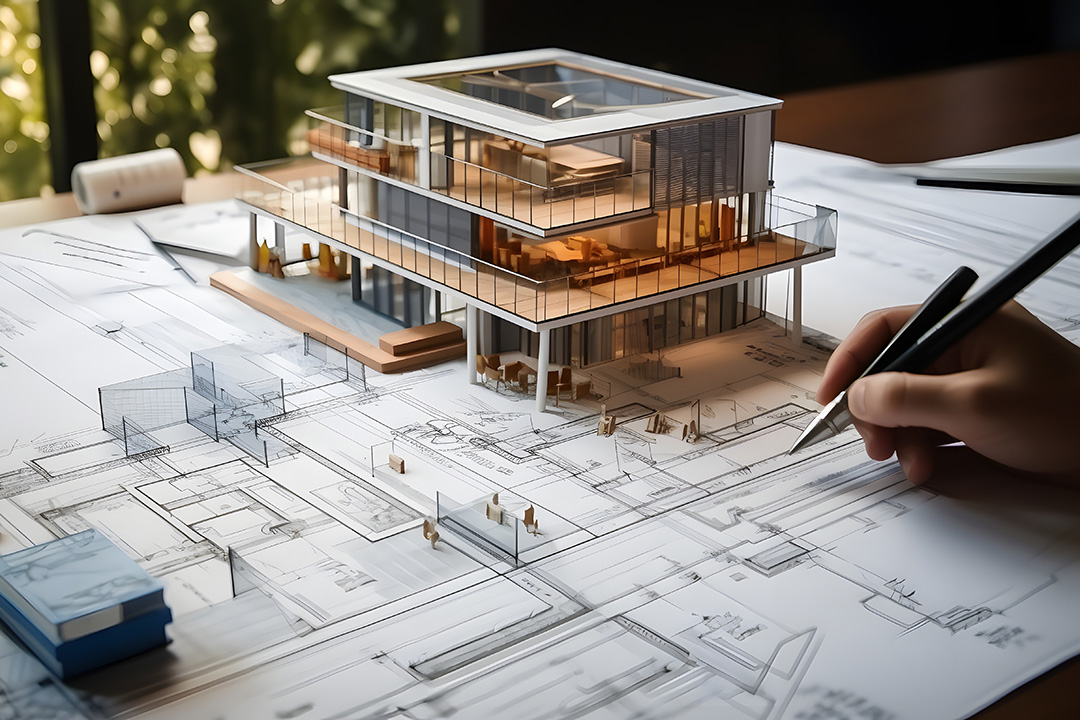



We provide complete wastewater design and utility engineering solutions customized to site conditions, project size, and infrastructure requirements.
Efficient water delivery systems are essential for maintaining consistent pressure and reliable service throughout a property.
Our team develops reliable Water & Wastewater Design service in houston solutions that improve long-term infrastructure performance.
Proper wastewater management helps protect public health and environmental quality.
We also support projects involving wastewater treatment plant infrastructure and system integration for municipal and commercial developments.
Some developments require advanced systems to move wastewater efficiently across difficult terrain.
Our engineers also provide lift station services for developments that require reliable wastewater transfer systems. For projects requiring installation support, we assist with lift station installation in houston to ensure proper system implementation.
Utility systems must be designed to operate safely under varying pressure conditions.
We also support long-term infrastructure growth through detailed infrastructure master planning that aligns utilities with future development needs.
We follow a structured, proven approach to ensure every project is efficient, compliant, and successful.
We review existing infrastructure, site conditions, and project requirements.
We evaluate utility demand, capacity, and system constraints.
We develop preliminary layouts for water and wastewater systems.
We prepare calculations, technical drawings, and utility documentation.
We work with utility agencies and local authorities.
We assist during implementation to ensure system performance.
Without proper engineering, these issues can increase maintenance costs and disrupt operations.
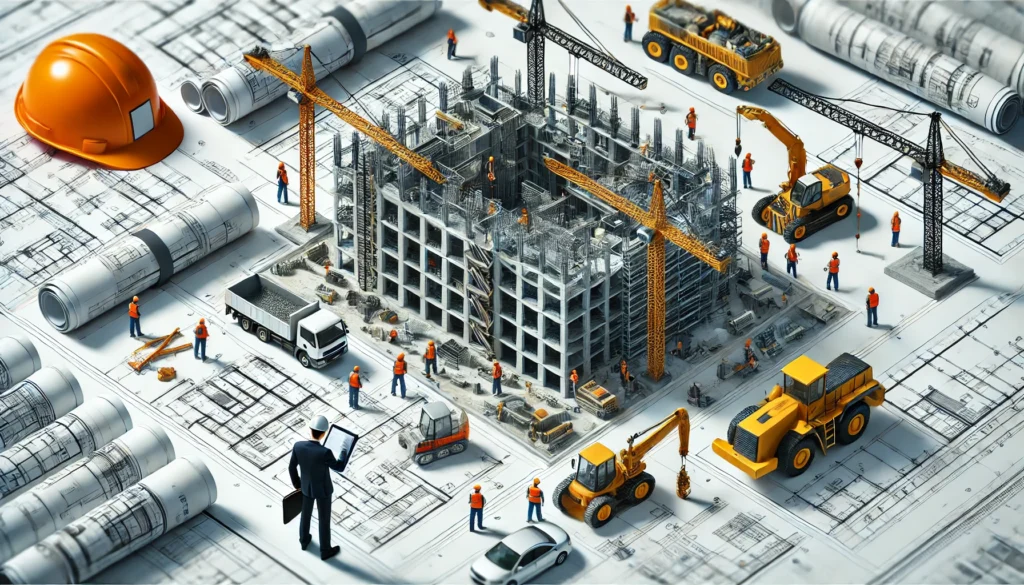
Well-designed systems help developments operate safely and efficiently for years to come
Working with the right engineering team makes a significant difference.
We help projects move forward with dependable utility systems built around real-world conditions.
The cost of site development design depends on several factors, including:
Investing in proper engineering early helps prevent expensive infrastructure failures later.

Strong infrastructure starts with thoughtful planning and experienced engineering. Proper utility design helps developments operate efficiently while reducing long-term operational risks.
At Houston Civil Engineering, we help clients create dependable utility systems that support growth, safety, and long-term infrastructure performance.
Contact our civil engineers today to discuss your project and get expert guidance tailored to your site.
It involves planning systems that safely collect, transport, and manage wastewater within a development.
Proper utility planning improves reliability, efficiency, and long-term infrastructure performance.
A lift station moves wastewater from lower elevations to higher points where gravity flow is not possible.
It evaluates pressure changes in pipelines to help prevent system damage and failures.
They support sanitation, environmental safety, and reliable infrastructure operations.